Signs of Mould in Your House
Below are some common signs to watch out for that could indicate you have mould growing in your house. You can use household equipment to clean affected areas.
Allergic Symptoms from Mould
If you are having a problem with allergies then there’s a good chance there could be mould growing somewhere in your home. Common allergic reactions to mould include sneezing, sore eyes and a runny nose or nasal congestion.
Do you notice your allergic reactions are worse when you’re at home but you feel better when you go out? If so then it’s especially likely you could have mould. If you find that your allergies are worse in some other building, like your workplace, then there could be mould growing there instead.
Smelling a Mould Odor
When you have mould growing hidden away in your house, often a mouldy smell might be the only clue that it’s there. Don’t ignore mould odors if you can’t see any mould. You should thoroughly inspect your home before any mould problems get worse.
Contact us for help finding and resolving mould.
Seeing Signs of Mould Growth
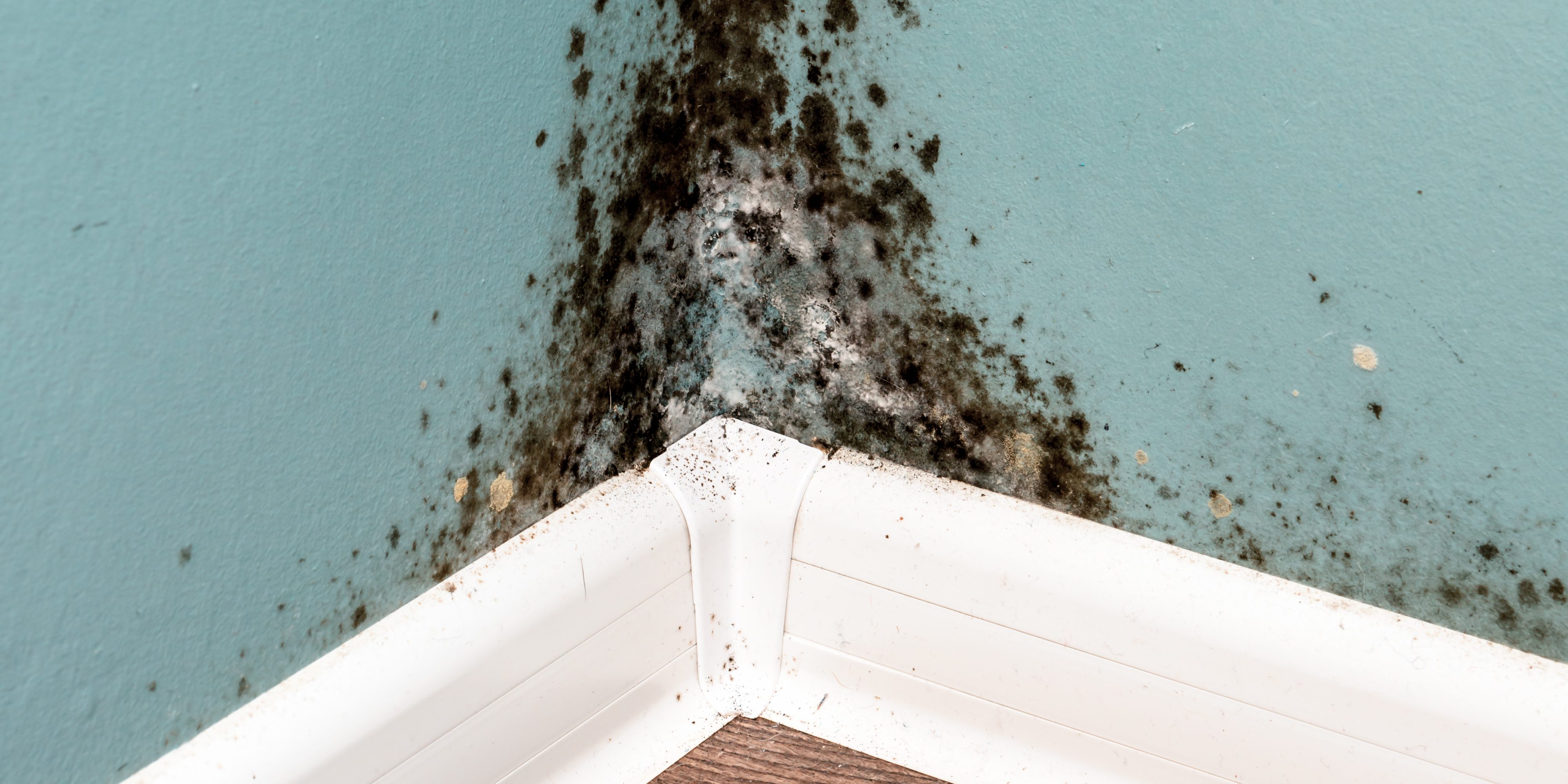
Visible mould growth might seem like an obvious sign of mould. However many people don’t notice small amounts of mould growth or they think it’s just soot or dirt. Sometimes people simply ignore visible mould in their house.
If you can see mould growth, even if it’s only small, you should take action immediately. Small mould patches can spread and the fact that there is any mould shows that the conditions in your home are right for mould to grow. You can find a guide to removing mould at Mould Removal.
If you don’t take care of mould it will soon become a bigger problem. Visible mould growth could also be a sign that there is a much larger mould colony growing hidden away from view.
Sometimes you might not realize there is mould in your house, especially if it is an unusual looking mould. Some mould growth looks white and thread-like. Another mould appears as clusters of small black spots. Mould can be black, gray-brown, gray-green or white in color. Mould growing behind wallpaper made of vinyl can even appear orange, pink or purple.
Signs of Water Problems
If you have had any long term moisture problems in your house it’s usually inevitable they will lead to mould beginning to grow. So if you know you’ve had some water problems in your home then it’s a pretty good sign you could have mould.
Some signs that you have a moisture problem include water stains or discoloration on walls, floors or ceilings in your house. Seeing these could be a clue that there is mould growing within or behind the material.
Another sign of a moisture problem is surface abnormalities like peeling, bubbling or cracking of the paint or wallpaper. If your walls are bowed, bulging or warped it probably means moisture has gotten into them. Another clue is if the surface of walls or other materials feel damp.
Water Leaks
The above signs of water problems in homes are usually created by leaks. However if you already know that you have had a water leak (such as leaking pipes or a leaking ceiling) then just that knowledge by itself, even if you don’t see signs of water damage, is a good sign that you might have mould growing in your house around the area where the leak was.
Mould growth from leaks can often be hidden. If the leak was behind a wall or other surface then any mould will probably be hidden behind the surface too. Even if the leak was not behind a surface there could still be mould hidden out of view behind a wall or other surface from water which seeped through.
Past Flooding
If your house has been flooded in the past then it’s likely that mould would’ve started to grow. Any mould would probably be growing in places where flood water remained the longest such as in the basement. Floods can often create mould growing out of view behind walls or under floors.
For more information see our Flood Restoration services
Condensation
If you see a lot of condensation in your home then it’s a sign that you have a high amount of moisture and hence a sign that you could have a mould problem. Condensation will occur on surfaces such as glass windows or metal pipes. Mould could be growing where the condensation builds up and collects. Rusting indoor pipes are a sign that you could have a lot of condensation in your house.
Besides the fact that condensation creates a build-up of moisture for mould to grow on, condensation can also be a sign that you have a humidity problem in your home. A high humidity level can feed mould and it is another sign that you might have a potential mould problem.
Toxic Symptoms from Mould
If you suffer neurological symptoms such as headaches, trouble concentrating, shortened attention span, memory loss and dizziness it could be a sign that there is toxic mould growing somewhere in your house which is poisoning you.
Mycotoxins from toxic moulds such as Stachybotrys chartarum can have a mental effect on people much more severe than the allergic symptoms caused by other non-toxic moulds.
Like with allergies, if toxic symptoms increase when you are in your home or in a certain building then it’s very likely that mould is growing there.