Asbestos Removal

Asbestos can be found in any industrial or residential building which has been built or refurbished before the year 2000. It is in many of the common materials used in the building trade. Some of these materials should only be worked on by a trained contractor to help minimise the risk involved.

Rainbow Restoration has a clear duty of care to policyholders and customers, to conduct a risk assessment for asbestos as part of any initial reports. For any removals of asbestos materials that require a licensed contractor.
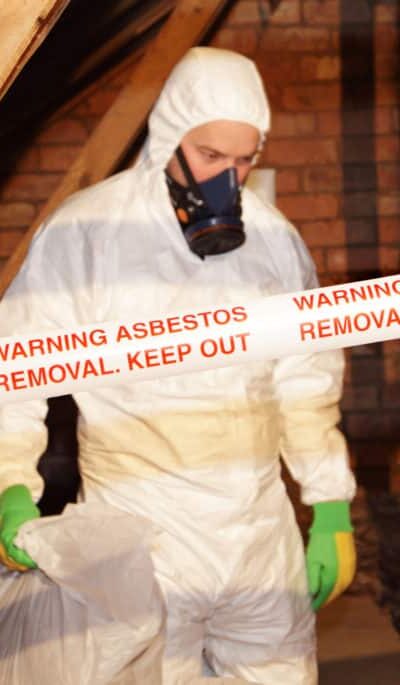
A worker wearing protective clothing while clearing the hazardous substance,asbestos,from an old attic.

Fast & Professional Asbestos Removal Services Available 24/7

Call Us Now 01375847522

The duty to manage asbestos

The duty to manage asbestos is contained in regulation 4 of the Control of Asbestos Regulations 2012. It requires the person who has the duty (ie the ‘duty holder’) to:

  • take reasonable steps to find out if there are materials containing asbestos in non-domestic premises, and if so, its amount, where it is and what condition it is in
  • presume materials contain asbestos unless there is strong evidence that they do not
  • make, and keep up-to-date, a record of the location and condition of the asbestos-containing materials – or materials which are presumed to contain asbestos
  • assess the risk of anyone being exposed to fibres from the materials identified
  • prepare a plan that sets out in detail how the risks from these materials will be managed
  • take the necessary steps to put the plan into action
  • periodically review and monitor the plan and the arrangements to act on it so that the plan remains relevant and up-to-date
  • provide information on the location and condition of the materials to anyone who is liable to work on or disturb them

There is also a requirement on others to co-operate as far as is necessary to allow the duty holder to comply with the above requirements.

Contains public sector information published by the Health and Safety Executive and licensed under the Open Government Licence

Fast & Safe Asbestos Removal Available 24/7

Frequently Asked Biohazard Questions

Asbestos is a term for a group of six naturally occurring mined silicate materials. These materials are actinolite, amosite, anthophyllite, chrysotile, crocidolite, tremolite.

Its name derives from ancient Greek, meaning ‘inextinguishable’, and although asbestos is now banned in the UK due to the dangers is poses, it was used in buildings for insulation, flooring and roofing due to its resistance to heat, fire and electricity, making it a supposed ideal material to enhance the safety of buildings.

Before 1985, all types of asbestos were legal within the UK, and is now most prominent on pipe insulation, building insulation and roofing.

The HSE states that any building built before 2000 may still contain asbestos.

Asbestos use was not fully banned in the UK until 1999, due to the known connection between the material and mesothelioma, cancer associated with the lining of the lungs.

ACM means ‘Asbestos-Containing Material’ and applies to any material that contains over 1% asbestos.

Asbestos-Containing Materials are only hazardous when inhaled but are directly linked to the cancerous disease, mesothelioma, which is why the use and production of the material is now banned within the UK.

Although asbestos was widely used in the building industry for insulation of both pipes and walls, as well as used within roofing materials, it was also widely used for products in other sectors, such as –

  • Asbestos cloth, rope and string
  • Asbestos cement sheets and roof tiles
  • Wallboards
  • Ceiling Tiles
  • Ovens and Furnaces
  • Hairdryers
  • Irons
  • Ironing board covers
  • Toasters
  • Stove-top pads
  • Brake-pads and brake-pad linings
  • Clutch facings
  • Floor Tiles
  • Mastics and Sealants
  • Toilet cisterns
  • Posts and fencing
  • Planters